
European Curriculum for Safety Officers in MRI (EN)
Working towards a safer MR environment supported by a European Curriculum for Safety Officers in Magnetic Resonance Imaging (ECSO-MRI)
Co-funded by the Erasmus+ Programme of the European Union - KA220 [2022-1-BE02-KA220-HED-000085873]

The aim of this project is to develop a European Curriculum for Safety Officers in Magnetic Resonance Imaging (MRI). Many issues related to this topic emerged in discussions we had with our alumni. So, the idea grew to develop a MR Safety program and we reached out to our European partners.
Because our target group is very divers we want to stimulate and increase sharing knowledge in MR Safety. We want to deploy the necessary educations technology to support a transnational common curriculum. From an educational perspective we need to find a balance between the learning preferences from our target group and the curriculum design. And this all is needed so we can work together moving towards a safer MR Environment.
The research group will design a curriculum who is compliant to the MRSO descriptor role so we can maintain quality across out teaching institutions. We will create e similar vision about teaching, learning and assessment in a transnational blended learning environment.
The curriculum will be developed in a modular structure which includes a basic MR safety module (± 10 ECTS) and modules for magnetic resonance safety officer (MRSO) education and training (± 20 ECTS). Each course module will have a module descriptor which states the module aim(s), teaching and learning methods, description of study materials, competencies that will be achieved on successful completion of each module. The produced/ developed course materials may include lecture notes, video recordings, scientific articles, PowerPoint presentation, learning exercises and assignments. The delivered curriculum will be integrated in an e-learning platform by the aid of educational technology. This e-learning platform will have a consistent structure throughout all course modules, a noticeable learning pathway for the target group and will facilitate independent student learning and self-testing (asynchronous) to monitor study progress.
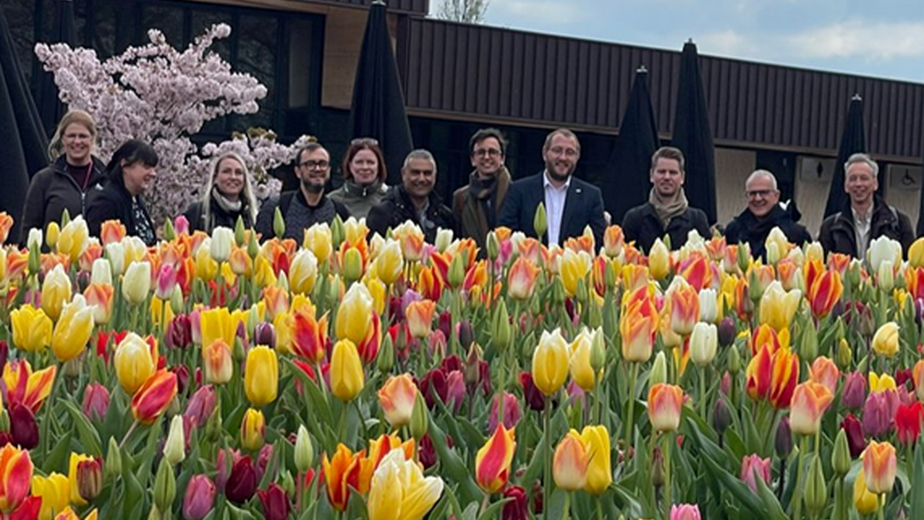
InHolland University of Applied Sciences, April 2023

University of Malta, September 2023

University College Dublin, February 2024
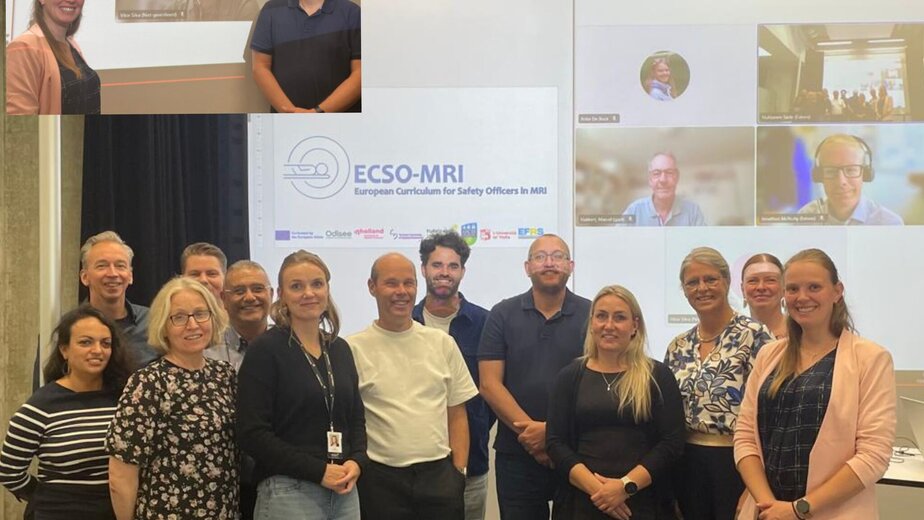
Turku University of Applied Sciences, September 2024
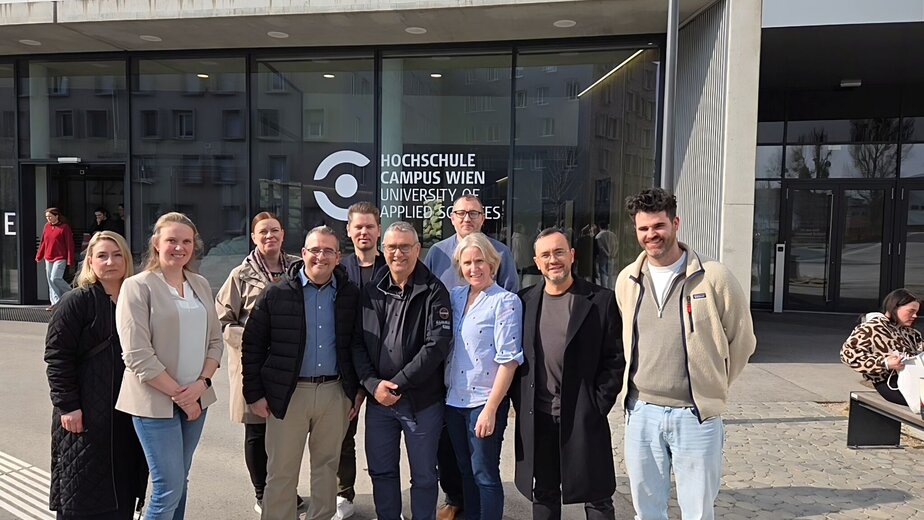
Final meeting at Hochschule Campus Wien university of applied sciences, March 2026
Module descriptors
Basic Course
The aim of the basic MRI safety course (10 ECTS) is to provide a foundation in MRI safety, leading to an awareness of the risks that are present for staff and patients within the MRI department. Topics covered will all be focussed on MRI safety and will range from the basics of magnetism through to the bioeffects of the different electromagnetic fields used in MRI. The basic course will also address contrast agents used in MRI, screening of patients and staff, and the basic concepts of suite design.
Advanced Course
The advanced course (20 ECTS) will be focussed on developing the basic concepts of MRI safety addressed in the basic course to a more advanced level. All aspects regarding the radiofrequency electromagnetic field, static magnetic field and gradient magnetic field will be explored in more detail, with in-depth correlation to clinical practice. Emphasis will be placed on risk assessment of passive and active implants. The advanced course will provide MRI personnel with the knowledge and skills required to be confident decision makers, dealing with issues that arise in the day to day running of the MRI unit to the level of an MRI safety officer. It will enable them to be key members and decision makers on the MRI safety committee within their organisation.
About the program
Like to apply?
Are you interested in upgrading your knowledge about MRI safety which will provide you with a greater awareness of the risks and with the knowledge and skills to the level of an MRI safety officer working in the MRI environment? And do you have a relevant qualification and experience working in the MRI environment?
Please contact our partner university of your country and subscribe for (one or both of) the modules.
In regard of the wholeness of the program, your input will be considered as useful. Hereby you can find the link to the different surveys in which your input is asked.
-- SURVEYS ARE CLOSED --
ECR 2026
We are pleased to announce that an official progress update on the ECSO‑MRI project will be presented at ECR 2026. During this session, the project team will share key results, insights from pilot implementations and feedback, and the next steps toward developing a harmonised European framework for MRI Safety Officer education and training.
Join us at ECR to learn how ECSO‑MRI is shaping the future of MRI safety practice across Europe.
More details about session timing and speakers will follow soon.
Recognising the role of radiographers in MR safety and the contributions of the European Federation of Radiographer Societies
Anke De Bock, Jonathan McNulty, Andrew England and ECSO-MRI Consortium
Presentation on MRI Safety Symposium 2025 by Gilles De Moor (Anke De Bock):
Towards an MRI safe environment & building expertise in MRI Safety
ECSO-MRI project: updates & next steps

ECR 2025
EFRS 11 - An update on MR safety education in Europe (March 1 at 10:00 - 11:00 CET)
Description: This session provided a comprehensive overview of recent advancements in MR safety education across Europe, with a special focus on the ECSO-MRI project. This project represents a significant step in establishing robust safety protocols and educational standards for MRI, ensuring that radiographers and other professionals are equipped to handle the complexities of modern MRI technology. The session will highlight collaborative efforts within the ECSO-MRI initiative, which aims to harmonize and elevate MR safety training across European institutions. Attendees will gain valuable insights into the latest educational strategies and safety protocols designed to protect both patients and healthcare staff in MRI settings.
- To outline the current landscape of MR safety education across Europe.
- To discuss the role of the ECSO-MRI project.
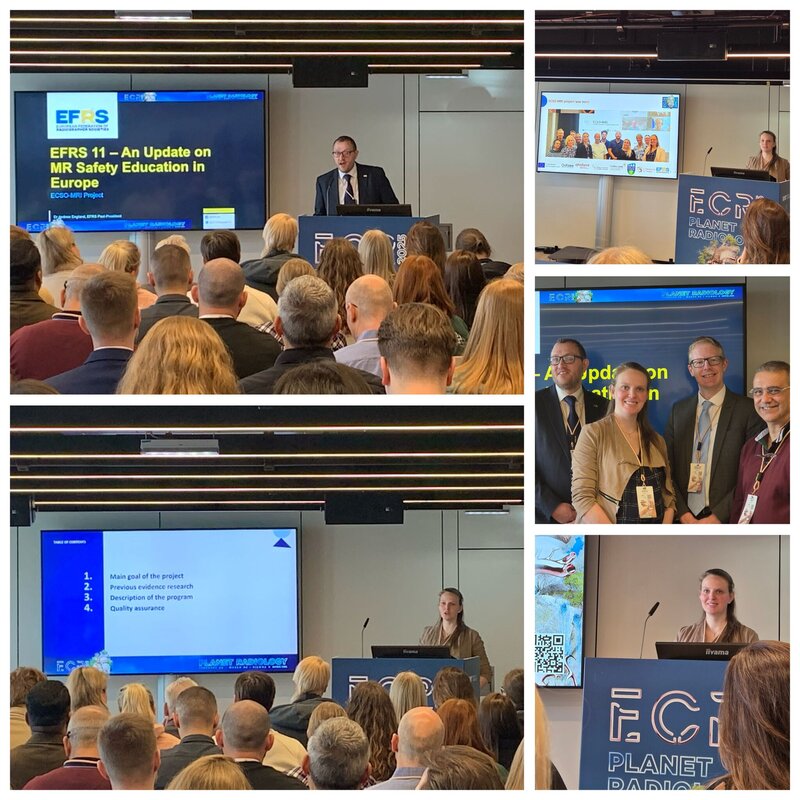
RPS 1714 – Advancements in MR: safety, patient care, and technological innovation (March 1 at 08:00 - 09:00 CET)
- MRI safety education across Europe: perspectives on teaching and assessment
Description:
Author Block: J. Mcnulty1, A. Cradock1, A. Mcgee1, A. De Bock2, J. L. Portelli3, A. England4; 1Dublin/IE, 2Brussels/BE, 3Msida/MT, 4Utrecht/NL
Purpose: Little has been published on the details of curricular content for radiographers in MRI safety despite the EFRS MRSO role descriptor benchmark document being published in 2021. This survey aimed to capture the current status quo in terms of MRI safety education for radiographers across Europe in terms of content, pedagogical and assessment approaches, challenges, and opportunities.
Methods or Background: An online survey of educational institutions (EIs) involved in the delivery of MRI safety education to radiographers was designed. The survey was distributed via the EFRS to all member EIs. Additionally, it was shared with all member national societies and to committee and working group members for onward distribution to EIs.
Results or Findings: Responses were received from 69 EIs. 58 EIs confirmed they deliver MRI safety education to radiographers (23 to undergraduate (UG) medical imaging (MI) students, 23 to UG combined MI and radiotherapy (RT) students, 5 to UG RT students, and 22 to Masters students. The most common MRI safety teaching methods for postgraduates (PGs) were in-person lectures (70.8%), small group discussions (61.9%), review of MRI safety scenarios (61.9%), and clinical placements (61.9%). The MRI safety contact hours for PGs averaged just 6 (range: 0-30 hours). For PGs, at the ‘advanced level’, the most infrequently taught topics were ‘Digital data safety’ (27.8%) and ‘Special MRI systems’ (33.3%). 65.2% of EIs were either ‘very satisfied’ or ‘satisfied’ with their PG MRI safety education provision.
Conclusion: Significant heterogeneity in content and levels of delivery of MRI safety education for radiographers was evident and highlights the potential for a common MRSO curriculum.
Limitations: This was a convenience sample of EIs across Europe accessed through the EFRS network and thus may not be representative of the population as a whole.
Funding for this study: The ECSO-MRI Project is co-funded by the Erasmus+ Programme of the European Union (KA220: 2022-1-BE02-KA220-HED-000085873).
Has your study been approved by an ethics committee? Yes
Ethics committee - additional information: Due to the nature of this study and the target population, the University College Dublin Human Research Ethics Committee – Sciences granted a formal Ethics Exemption (Reference: LS-LR-24-203-McNulty).
- Educational background in MRI Safety of healthcare professionals working in MRI departments: Insights from the ECSO-MRI Project
Description:
Author Block: J. Scheurleer1, A. V. Diepen1, A. De Bock2, H. Bijwaard1; 1Haarlem/NL, 2Brussels/BE
Purpose: This study aimed to assess the educational needs and preferences regarding MRI safety training among healthcare professionals working in MRI departments. Findings aimed to support the development of a standardised European MRI Safety Officer (MRSO) curriculum as part of the funded ECSO-MRI project.
Methods or Background: A survey among radiographers, radiologists, and other healthcare professionals across European MRI departments assessed educational backgrounds, MRI safety responsibilities, and training preferences, with 313 responses analysed. The study received local ethics committee approval and confirmed European data security requirements.
Results or Findings: Of the respondents, 71.6% had clinical experience in MRI, but 49.5% did not regularly update their MRI safety knowledge. Informal peer-to-peer training was the most commonly used learning method (62.9%). Hands-on training was the most preferred approach (89.5%). Additionally, 70% of respondents considered the development of Standard Operating Procedures (SoP) an advanced MRI safety topic. Furthermore, 40% highlighted the need for formal basic training for all radiographers working with MRI, while 63% indicated a need for formal advanced training for key users of MRI. Only 31% reported following local MRI safety guidelines, and 18.5% adhered to international standards, underscoring the need for more consistent safety protocols.
Conclusion: Significant gaps in MRI safety education, particularly in advanced training, were identified. The ECSO-MRI project aims to address these by developing a standardized curriculum in collaboration with European institutions.
Limitations: The reliance on self-reported data may introduce bias in assessing actual MRI safety practices and training needs.
Funding for this study: This study was funded by the European Union’s Erasmus+ program.
Has your study been approved by an ethics committee? Yes
Ethics committee - additional information: Ethics Committee of University College Dublin Research Ethics
Research Ethics Reference Number is: LS-LR-24-220-McNulty
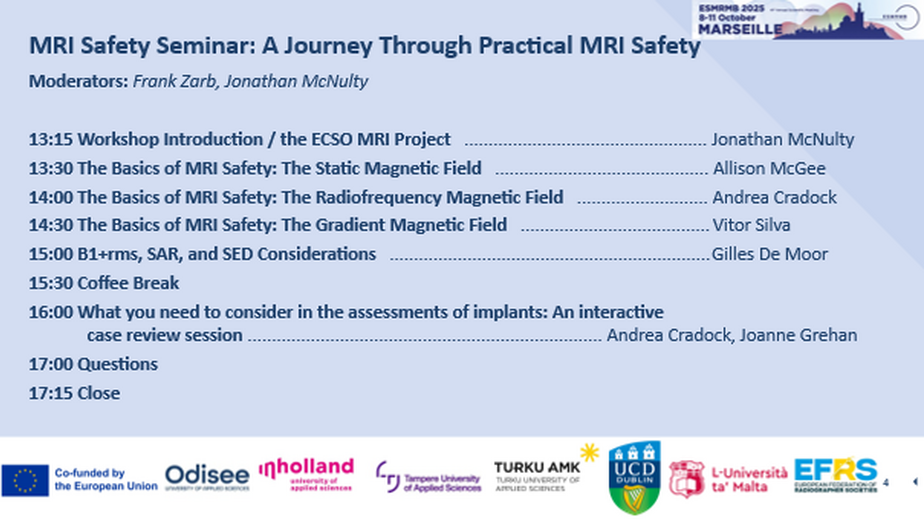
8th of October 2025: Precongress workshop
MRI safety seminar: A journey through practical MRI safety by the ECSO-MRI team.
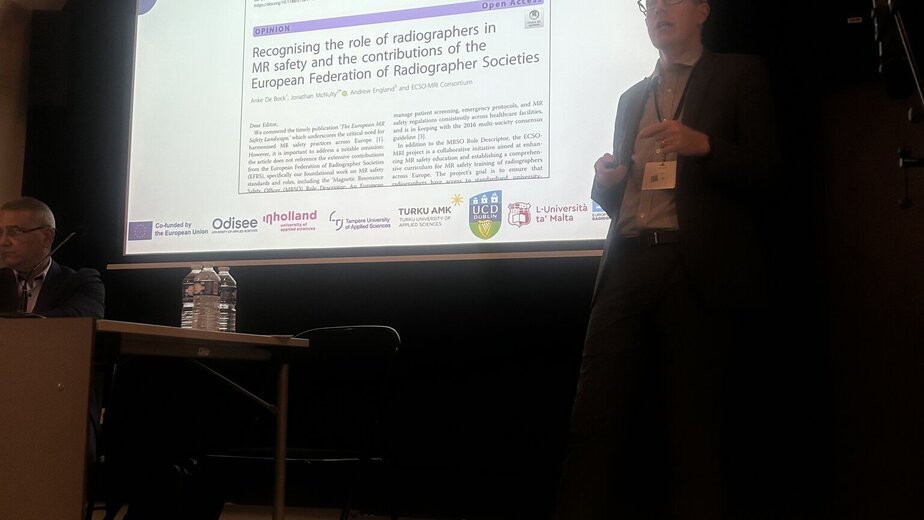
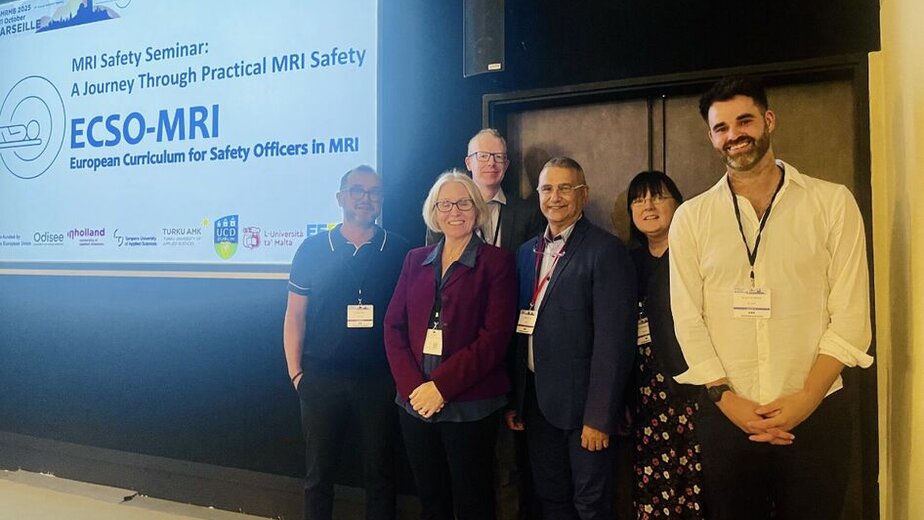
22nd of October 2025: EFRS Webinar
ECSO-MRI project: Evolving MR Safety across Europe by the ECSO-MRI team. INFO
Partners
- InHolland University of Applied Sciences: Harmen Bijwaard, Anja van Diepen, Jelle Scheurleer
- University College Dublin: Allison McGee, Andrea Cradock, Jonathan McNulty
- Turku University of Applied Sciences: Jarno Huhtanen, Säde Huhtanen
- Tampere University of Applied Sciences: Anna-Riikka Keihäs, Pirita Markkula
- University of Malta: Francis Zarb, Jonathan Portelli, Susan Mercieca
- European federation of radiographer societies: Andrew England, Vitor Silva


Want to know more about this project?
Co-funded by the Erasmus+ Programme of the European Union - KA220 [2022-1-BE02-KA220-HED-000085873]