Aquaculture (Aqua-ERF)
The Aquaculture Education & Research Facility (Aqua-ERF) is a practice-oriented research center that optimizes the production of aquatic organisms through a systems approach.
Our offer
Research
Aqua-ERF's research is focused on, but not limited to,
- freshwater and marine cultures in recirculation systems
- reproduction and larval rearing of fish and crustaceans
- sustainable feeds
- behavior and animal welfare
- aquatic ecology
- market potential and profitability
- circular production methods
In addition to efficiency and profitability of aquaculture, circularity and the impact of food production on the environment are receiving increasing attention. Aqua-ERF is committed to the integrated culture of organisms at different trophic levels, both in freshwater and seawater. In our RAS systems, we optimize nutrient balances to ensure minimal water consumption. Developing locally and circularly produced feeds reduces production costs and dependence on imported fish and shrimp feed.
Contract Research
Aqua-ERF is a practice-oriented research center that responds to the current needs of the Flemish aquaculture sector. Companies can use our modern research facilities to conduct tailor-made experiments that are validated statistically.
Together with entrepreneurs, we develop experiments to test new technologies, techniques and processes. We provide pilot-scale RAS systems to experiment with new aquaculture organisms or cultivation methods. Developers of aquafeeds, biostimulants, pre- and probiotics can test and optimize their products in our facilities. All experiments are conducted by experienced researchers and supervised by a certified experimenter.
Would you like more info on the possibilities? Don't hesitate to contact us!
Education
Internships and final projects.
Aqua-ERF offers numerous internship, GIP, and undergraduate thesis opportunities to undergraduate and graduate students. You can gain practical experience in the aquaculture industry by participating in an ongoing research project, or by conducting your own project or undergraduate thesis here. We also supervise aquaculture-related internships at home and abroad.
Would you like more information about the possibilities? Then don't hesitate to contact us!
Course in aquaculture
Odisee has been organizing an aquaculture course every year since 2011. The 3-credit course provides insight into the context and basic concepts of aquaculture, and highlights concrete and practical aspects of aquaculture. No prior knowledge is required to take the course.
The course is an elective within Odisee's Bachelor of Agro- and Biotechnology and can also be taken by external students.
Facilities and organisms
Our new facilities at the Otterburcht site in Ghent were commissioned in 2022. The various systems lend themselves to research on the different life stages of aquatic organisms. All RAS systems are equipped with mechanical and biological filtration, and monitoring and control of temperature, pH, oxygen content, water flow rate, and light regime.
Details about our systems can be found here (under construction).
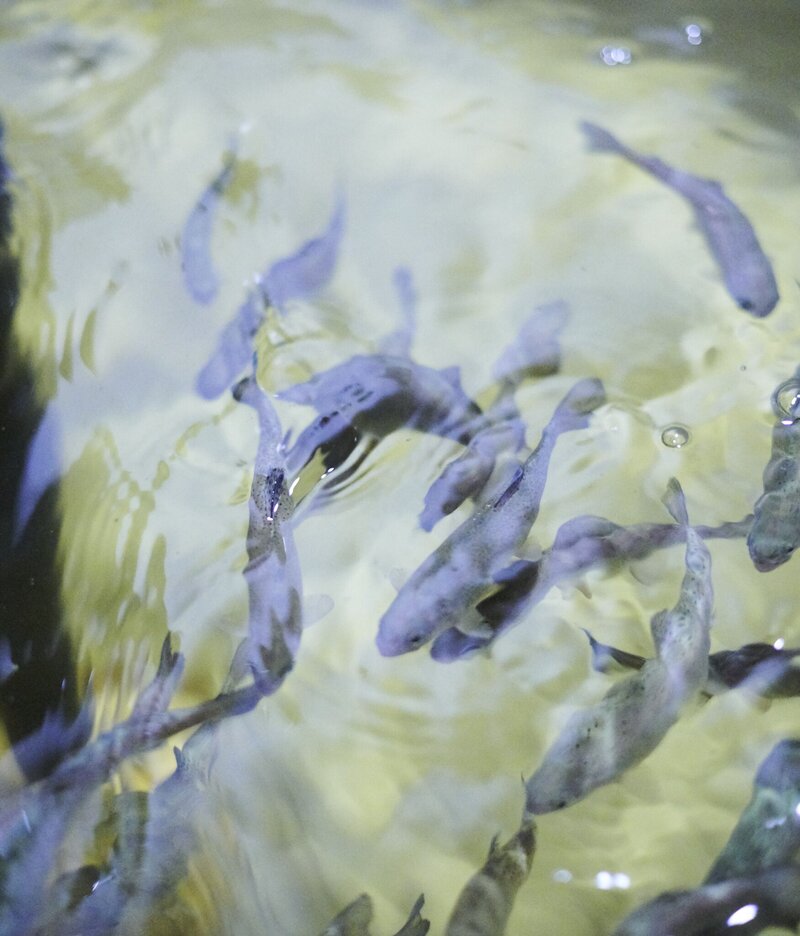
We conduct research on both marine and freshwater organisms. In recent years we built up expertise with, among others:
- Lota lota (freshwater cod)
- Oncorhynchus mykiss (rainbow trout)
- Scortum barcoo (omega perch)
- Astacus astacus (European crayfish)
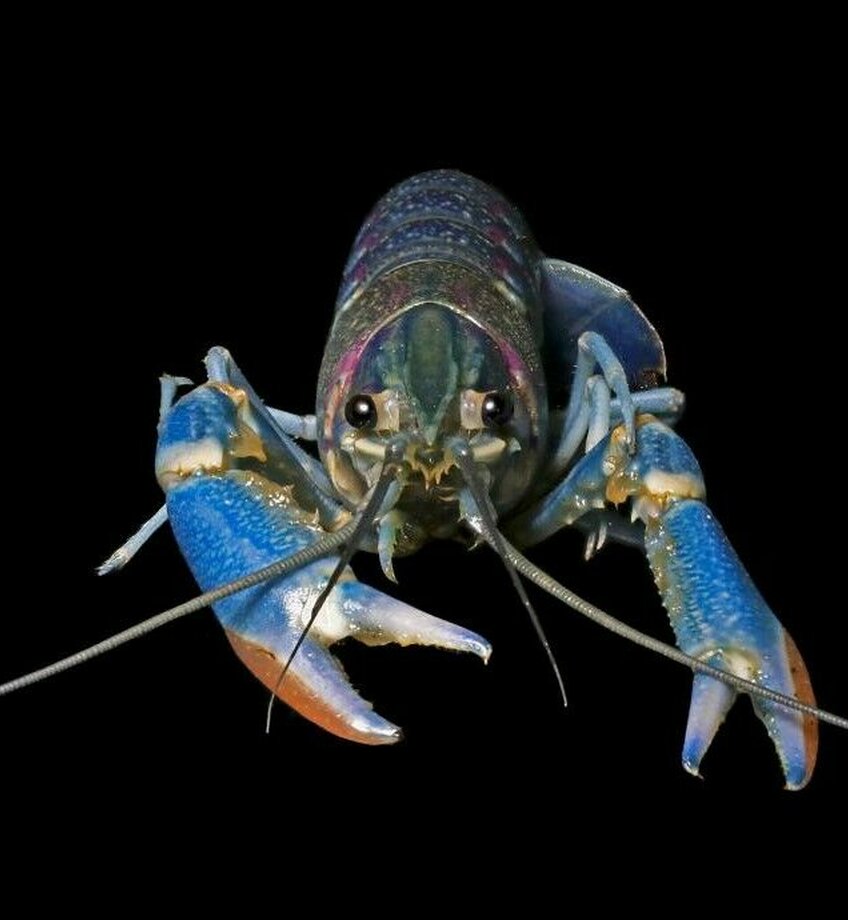
- Cherax quadricarinatus (red shearwater crayfish)
Our mission
Today, more than half of the seafood consumed is produced by aquaculture. Indeed, fishing has reached its limits due to overfishing and declining wild populations.
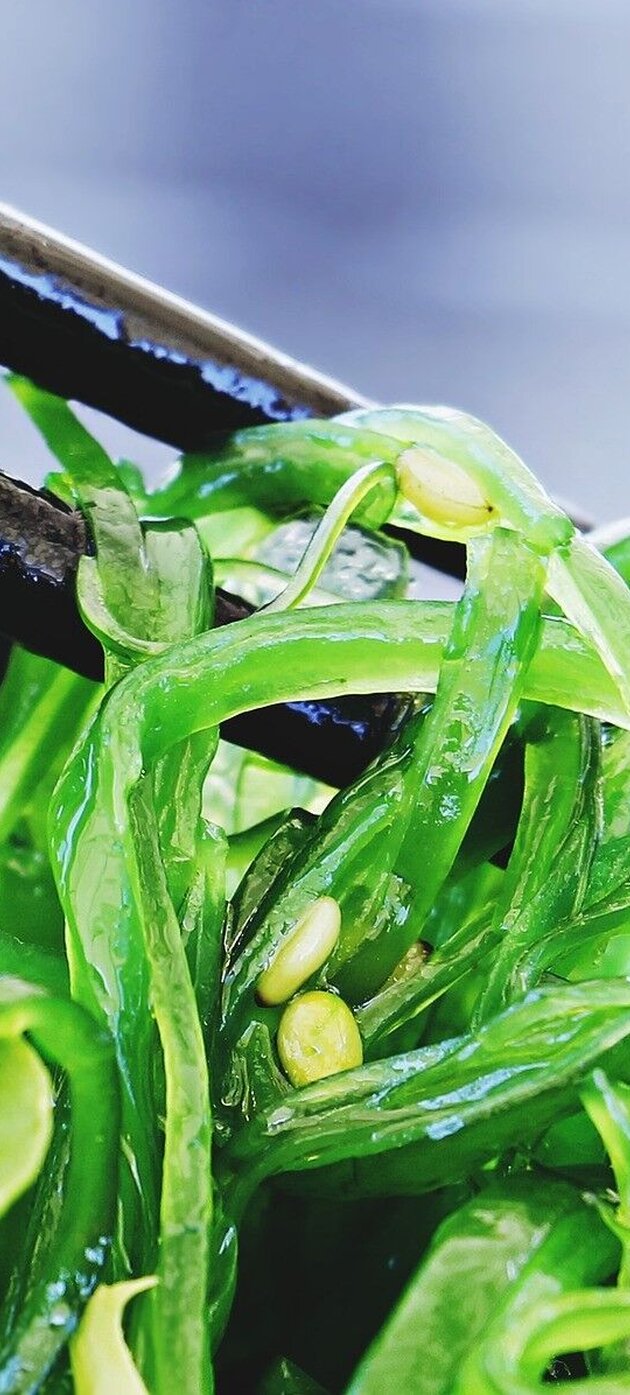
The aquaculture industry still has significant growth potential in Flanders and Europe. Aquaculture is necessary to continue providing protein-rich, healthy and sustainable food to the growing population. After all, the ecological footprint to produce aquatic organisms is much lower than that of terrestrial animals such as cattle or pigs. Moreover, the production of shellfish and algae even extracts nutrients from the water in which they are grown.
Our research focuses on recirculation systems (RAS). Thus, in a controlled environment with minimal consumption of water, we investigate how aquatic organisms can be produced. We focus on sustainability, economic profitability, and animal welfare. Our research is closely intertwined with the education we offer.
We focus on the current needs of the aquaculture industry. Aqua-ERF supports aquaculture companies by engaging them as partners in research projects, and by providing services through contract research.
Aqua-ERF is represented in the Strategic Steering Committee Aquaculture of the Flemish Aquaculture Platform, thus helping to guide strategic and policy choices for the sector.