
Enrichment of vegetable oils with bio-based components
Edible oils are used in many sectors of the food industry, such as cooking, baking, and deep-frying, as well as in the production of, for example, mayonnaise, plant-based burgers, salad dressings, etc. There is a growing consumer-driven demand for organic oils or oils stabilized with natural additives. Therefore, in this project, we will produce oils to which natural ingredients are added to stabilize the oil.
Enrichment of vegetable oils with locally available biomass
The vegetable oil industry in Flanders faces significant challenges related to sustainability, health, and technological innovation. At the same time, consumer demand for oils enriched with natural additives is steadily increasing. Vegetable oils are essential ingredients in a wide range of food applications, including cooking, baking, and frying. They are also widely used in the production of plant-based alternatives such as burgers, sausages, vegan cheeses, and other meat and dairy substitutes.
However, most vegetable oils consist predominantly of unsaturated fatty acids, which are highly susceptible to oxidation. Oxidative degradation can negatively affect product quality, shelf life, nutritional value, and sensory characteristics, highlighting the importance of effective antioxidant solutions. In response to the European Green Deal, growing consumer expectations, and increasingly stringent sustainability requirements, the food industry is being encouraged to transition from synthetic additives to naturally derived ingredients. As a result, the demand for natural antioxidants continues to increase.
While natural antioxidants such as tocopherols are already available, there is a growing need to expand the range and availability of sustainable antioxidant sources. Although the transition towards natural antioxidants may initially involve higher costs, it has the potential to create a more stable, resilient, and sustainable market in the long term. Companies that proactively adapt to Green Deal objectives and evolving consumer preferences can gain a competitive advantage by addressing the increasing demand for sustainable food products.
This project focuses on the development and implementation of natural antioxidants derived from locally cultivated biomass. By valorising biomass streams and agricultural by-products, the project aims to identify novel bio-based ingredients that can enhance the oxidative stability of vegetable oils. Several stakeholders involved in local biomass cultivation and processing have expressed a need for innovative valorisation pathways for by-products generated during production. By transforming these underutilised streams into high-value ingredients for the food sector, the project contributes to both circular economy objectives and the development of more sustainable food systems.
This project focuses on two pillars:
- Focus on the production and characterization of extracts derived from byproducts of local crops. Recent exploratory discussions have revealed a pressing need to valorize byproducts generated during the processing of onions, garlic, chicory roots, coffee grounds, ginger, and hemp. These byproducts are included due to their large-scale production and the fact that, to date, they have not been utilized for high-value purposes.
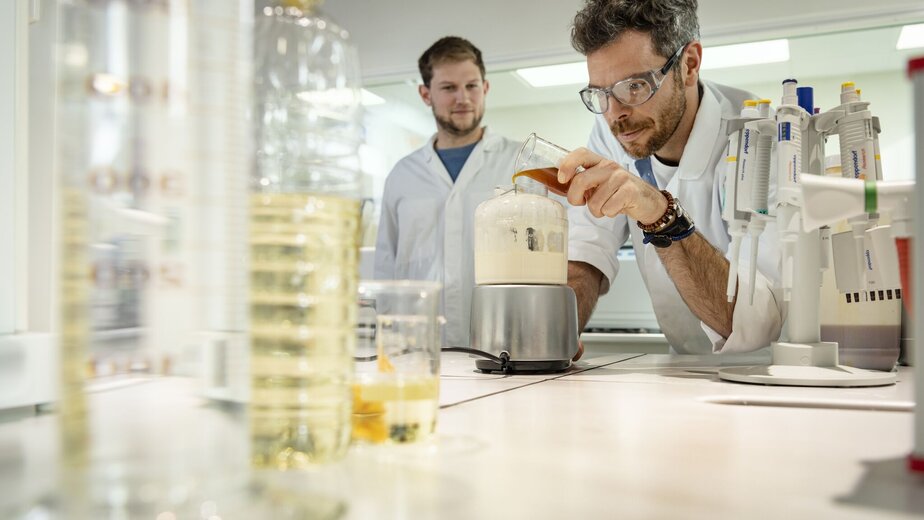
- The focus is on stabilizing oils while adhering to the requirements of the Green Deal. In this context, the derived extracts are used to stabilize edible oils. The recently concluded PWO project “Use of Natural Antioxidants” and the TETRA project “Wood4Emulsion” have led to the development of expertise in monitoring and characterizing fat oxidation and natural antioxidants derived from apple wood. This research project will further expand this knowledge by conducting the extraction directly within the edible oil itself.
Byproducts from the cultivation and processing of fruits and vegetables can be used in food. However, since these are not common ingredients, the adoption of extracts derived from these byproducts in the edible oil industry is currently limited by various barriers. The addition of a derived extract falls under the regulation governing food additives. To actually add this ingredient, a dossier must be prepared that:
- describes the extract;
- contains safety data; and
- describes its technological function.
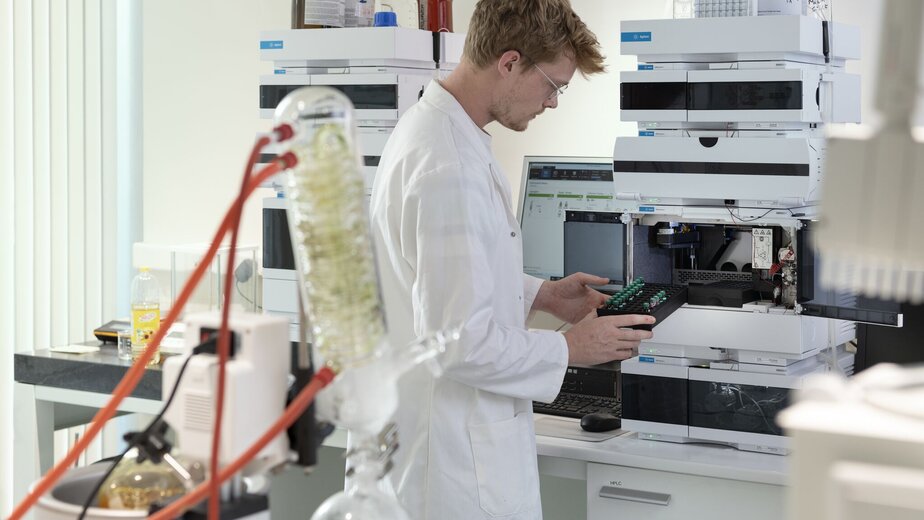
Aspect 2, the safety data, must be evaluated by a neutral and accredited laboratory. This means that the extract’s composition, purity, microbiological safety, and stability/shelf life must be determined. Many analyses have been standardized within BIT-O’s laboratories, enabling us to conduct an initial screening to assess the feasibility of the extract as an additive.
# crop science, UAE, edible oil, biomass, sustainable extraction