
Odisee, your knowledge partner in and for Brussels
Odisee helps shape the future of Brussels and conducts research that responds to the city’s societal challenges. We strongly invest in collaboration with companies, public authorities and organisations, and translate new knowledge on topics such as circularity, digitalisation, health and wellbeing into practical applications.
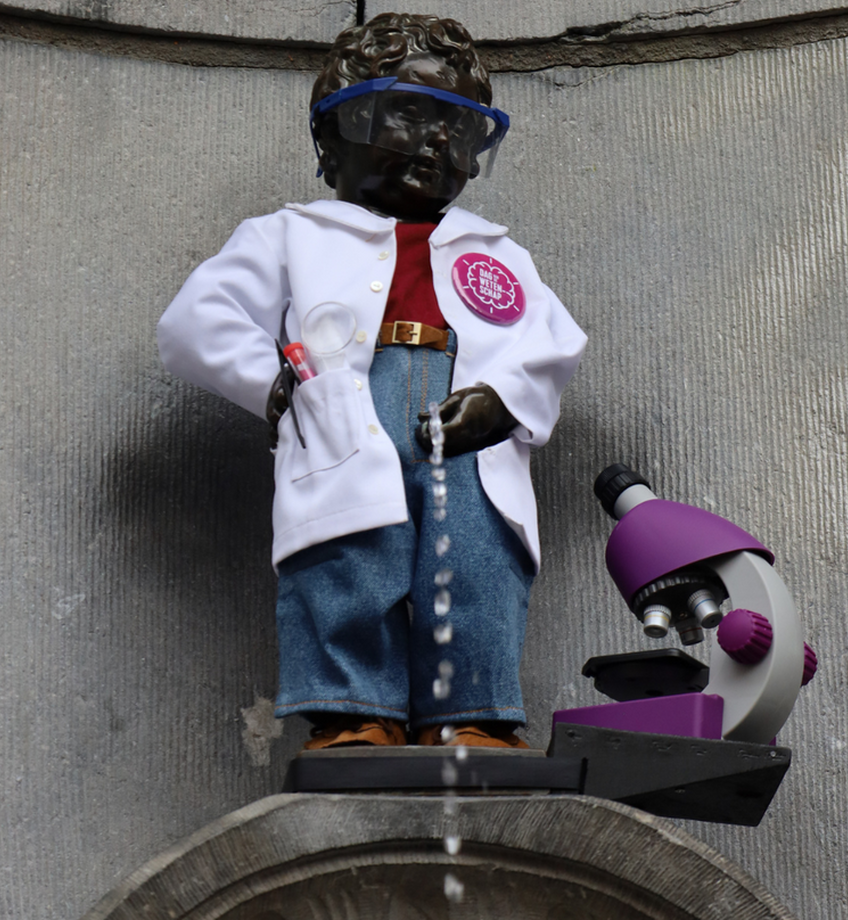
Collaborating in Brussels with an Odisee expert
Are you looking for expertise to develop your idea or address a specific challenge? At Odisee, you can turn to one of our research centres. Odisee has a motivated team of researchers with expertise in areas such as healthcare and family care, sustainable construction, the reuse of raw materials, and more. We think along with you, develop solutions tailored to your company or organisation, and also explore possible funding opportunities.
Your idea may fit within one of the subsidy schemes of Innoviris, the organisation that funds and supports research and innovation in the Brussels-Capital Region. However, due to a significant round of budget cuts, all Innoviris programmes have been suspended for 2026. Funding applications will only be possible again from 2027 onwards.
Questions?
The Social City
Brussels is the living laboratory of the Social Work cluster. We develop knowledge and methodologies through co-creation with residents and organisations working with vulnerable citizens and families.
Resokit
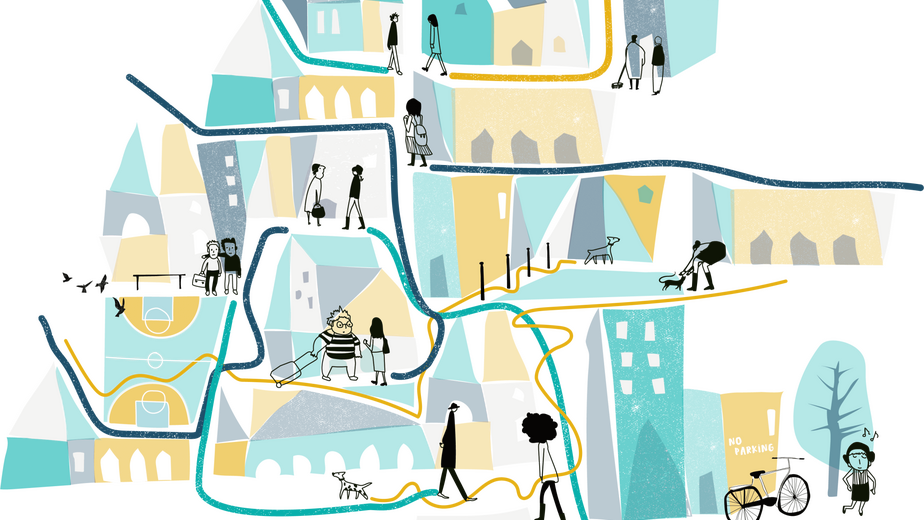
Resokit offers information and tools for social workers focused on strengthening networks. The neighbourhood plays a key role as a context, with social inclusion as the driving force—always starting from opportunities and talents.
Atlas
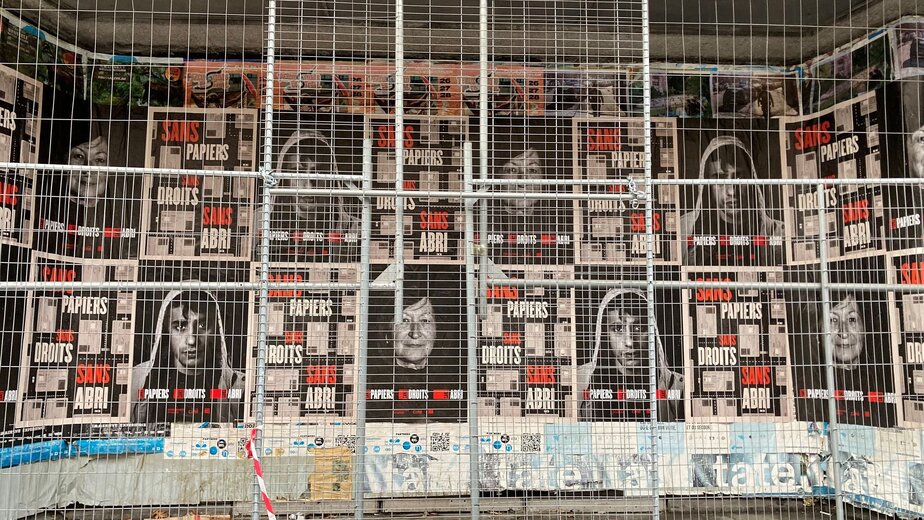
Thousands of migrants in Brussels live in a situation of precarious citizenship. This leads to an impasse for the individuals concerned, but also for the Brussels authorities, who are forced into permanent crisis management. In ATLAS, we analyse this ‘crisis’ in Brussels together with all relevant stakeholders. We develop various scenarios to move towards a different form of citizenship—one that guarantees the right to housing and access to services for everyone.
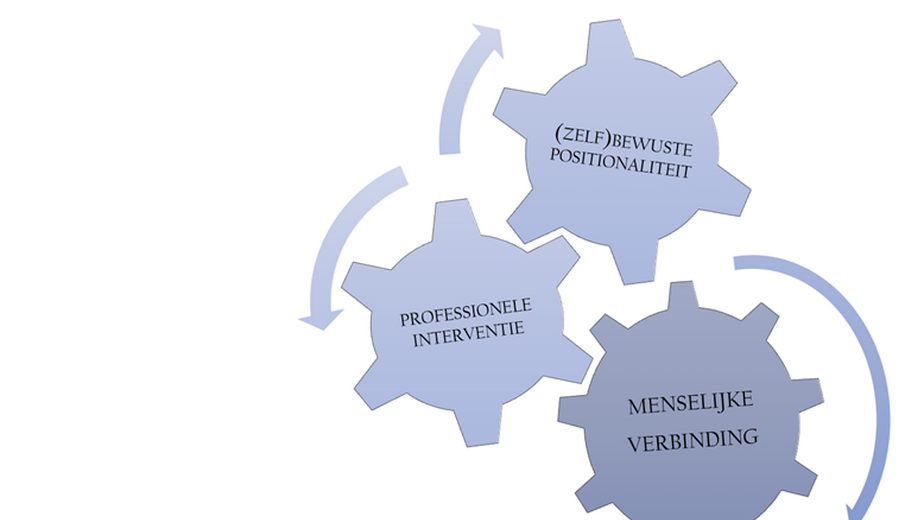
Toolbox for diversity-sensitive support for families
The growing superdiversity of our society generates new support needs among families and poses new challenges for family support workers. How do we address religious and/or cultural differences in family support? How can we move beyond uncertainty and professional hesitancy? The toolbox contains practical resources that help translate diversity-sensitive support into action.
The Entrepreneurial City
The Center for Sustainable Entrepreneurship (CenSE) explores how sustainable entrepreneurship can be put into practice within family businesses and SMEs. CenSE contributes to the transition towards a sustainable and inclusive society through research into the social and circular economy, and by actively leveraging digitalisation.
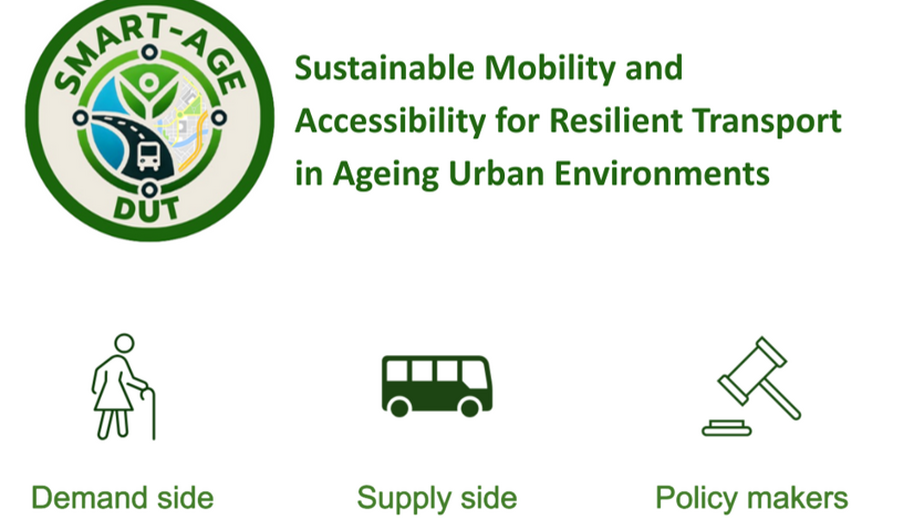
SMART-AGE
SMART-AGE investigates how urban mobility can become more sustainable, more inclusive and better aligned with the needs of people aged 65 and over. The project builds on the 15-Minute City Transition Pathway, which promotes active and sustainable modes of transport. Particular attention is paid to the experiences, barriers and expectations of older adults in an ageing urban context.
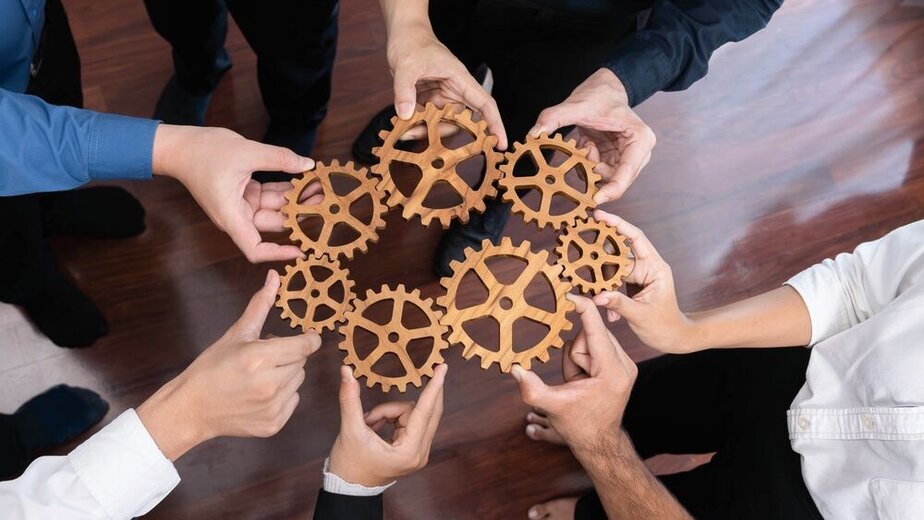
Collective value, valuable!
In this project, we aim to act as a catalyst for the development of circular collaborations by designing an accessible support programme. We jointly develop a collective business model and work with circular entrepreneurs using a design science research approach.

The Healthy City
The Healthcare cluster focuses its research on health promotion and high-quality care by supporting care recipients, healthcare professionals and informal carers through lifestyle interventions, neighbourhood care and care innovations.
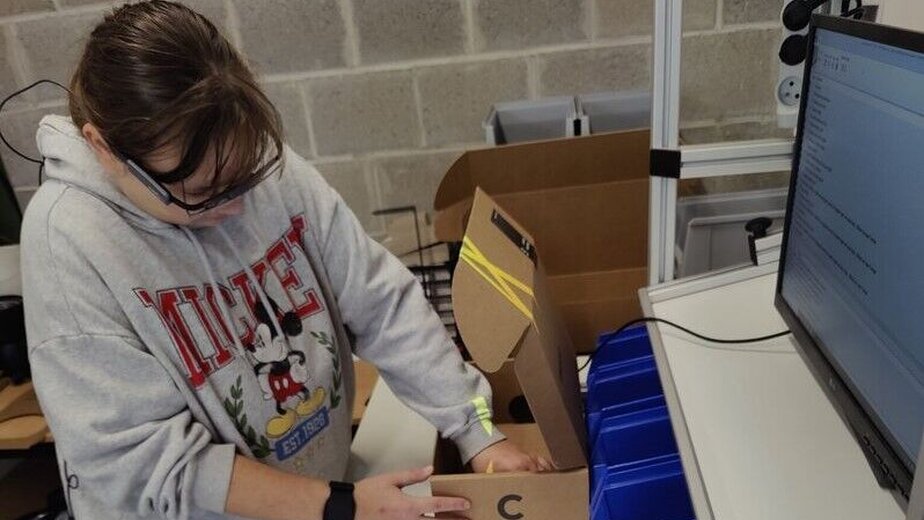
Digital work instructions
In this project, we explore how specific target groups can gain access to the labour market – including for complex assembly tasks – through the use of digital work instructions. We match companies and organisations with the right technological partners in living labs. Within these living labs, we test and evaluate the digital work instructions and develop a tailored tool adapted to specific companies or processes.

Active and Healthy Ageing for All 2.0
Older adults in socially vulnerable situations do not always find their way to local organisations or programmes that support a healthy lifestyle. This project starts with a neighbourhood analysis and aligns the local health offer with the needs of older adults. These programmes are implemented locally to enable a growing group of people to age in good health and with a high quality of life.

EcoStain
Microscopic research is essential for detecting diseases. By staining tissue samples, different cell organelles become more visible. The so-called H&E staining combines haematoxylin – a dye derived from wood shavings of the Central American logwood tree (Haematoxylum campechianum) – with the synthetic dye eosin Y. With EcoStain, we develop an ecological staining method by extracting pigment from the residual stream of red cabbage.
The Learning City
The Education cluster comprises two research centres with Brussels as their home base. ExploRatio focuses on stimulating critical and creative thinking about science and society among pupils and students, while The Language Constructors conducts research into education in language and through language. Across all projects, there is a strong focus on diversity and inclusion.

Kritikat
Kritikat aims to foster children’s critical thinking about media messages. Kritikat takes on the role of a philosophical detective who serves as a role model and helps children learn to distinguish fact from fiction. Children learn to recognise fallacies and to expose news items that play fast and loose with the truth. The philosophical stories illustrate common thinking errors and prepare children, in a second phase, to actively analyse media messages.
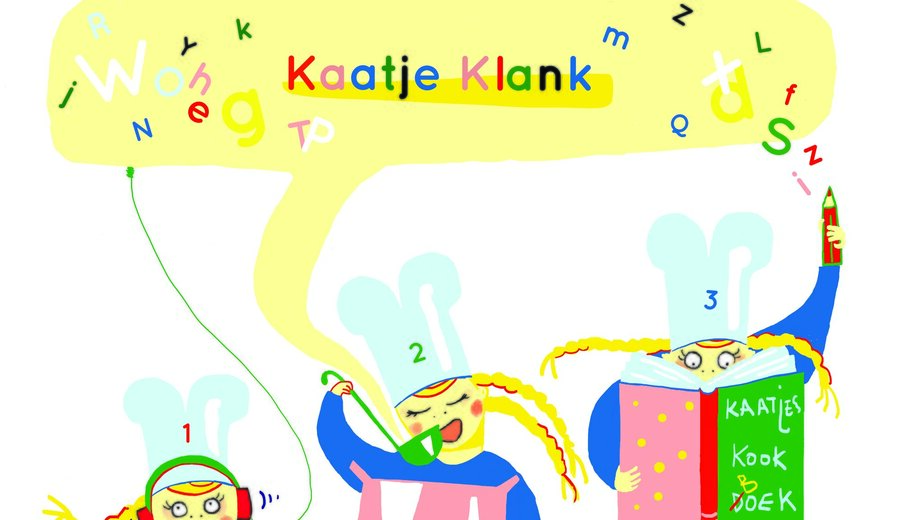
Klank Klaar
In Klank, we develop not only a language didactics approach, but also an accompanying professional development programme to strengthen early technical reading preparation in young children. The reading level of Flemish pre-schoolers has been declining noticeably. For this reason, we are expanding the earlier project Kaatje Klank with a learning trajectory for children from the first to the third year of early childhood education, and even into the first year of primary education.
Sustainable Technology in the City
The (Bio-)Tech Research Centre aims to promote an ethically responsible use of resources. It does so by unlocking existing knowledge and technologies, and by focusing on innovation and optimisation of systems, products and processes. Within this cluster, the Center of Expertise for Sustainable Construction focuses on the construction sector, conducting research into concrete repair and the circularity of the building envelope. The Biochemical Innovation Team carries out research into the chemical aspects of residual material streams.

A Bridge Too Far?
Approximately 75% of damage to concrete bridges can be linked, to a greater or lesser extent, to corrosion of the steel reinforcement within the concrete element. We are developing a practical guideline and training programme for the use, design and installation of a cathodic protection system to extend the lifespan of existing concrete structures. Existing expertise is strengthened through consultation with professional stakeholders, qualitative market research, the inventory of existing case studies, and experimental research at laboratory scale.

Impact of minerals and nitrogen on kombucha production
Kombucha is a fermented, lightly sparkling tea produced by fermenting sweetened tea with a SCOBY—a symbiotic culture of bacteria and yeasts. In this research, we investigate which nutrients are required for an optimal fermentation process.

ULTRA: User-Friendly and Trustworthy AI
Many companies struggle with the implementation of AI because end users are hesitant due to a lack of transparency and control. In ULTRA (User-friendly and Trustworthy AI), we investigate how AI adoption among end users can be accelerated by designing innovative, tailored AI interfaces. We also examine how generative AI tools can be used responsibly within the design process and in user research. In collaboration with Flemish SMEs, we develop concrete design patterns, evaluation tools, and an interactive AI design guide.
Questions?
Are you a company or organisation interested in setting up a research project together with us? Feel free to contact the research centre without any obligation.
Please note that, as an SME, you may also be eligible for support through Innoviris for your project.
We are happy to explore the possibilities together with you!